Sector
Museums &
Galleries
I've spent a good chunk of my career working with cultural institutions — the Natural History Museum, the Imperial War Museum, the Science Museum, the Victoria & Albert Museum, and a few others — building everything from touchscreen kiosks to multi-screen installations. It's work I know well, and it's taught me a lot about building things that hold up in the real world.
Designing for everyone
Museum visitors come in every configuration — school groups, foreign tourists, specialists who know the collection better than the curators. Getting the interface right means keeping it simple enough for anyone to pick up, while making sure it doesn't feel patronising to someone who actually knows what they're looking at.
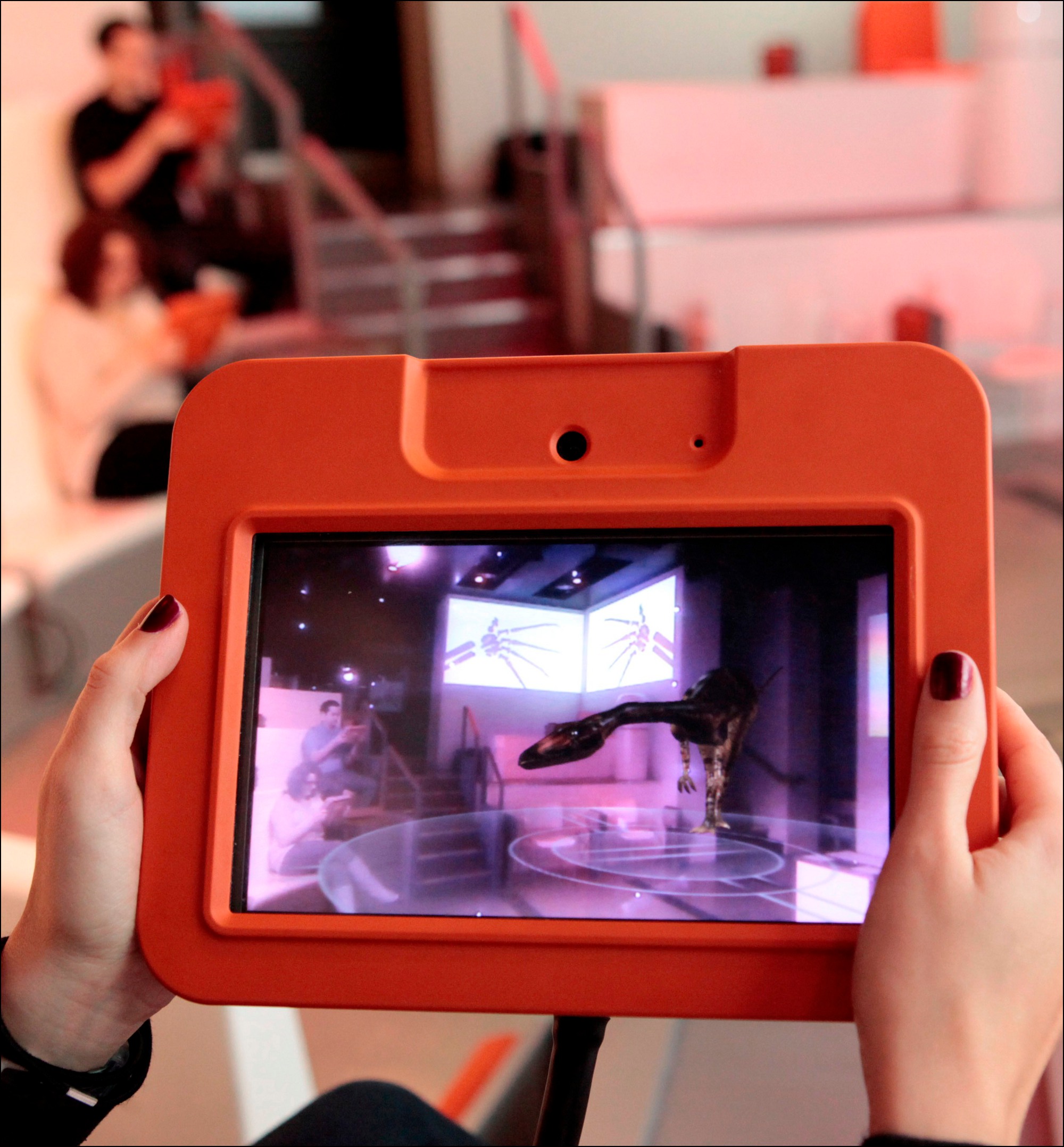
One of the more interesting projects along those lines was Who Do You Think You Really Are? at the Natural History Museum — an interactive film presented by David Attenborough, combining multi-screen projection, augmented reality, and visitor handhelds. I built the handheld software, which had to work across a very wide range of visitors all at once. It picked up the BUFVC Learning on Screen Premier Award.
 mus-1
mus-1WHO DO YOU THINK YOU REALLY ARE?
(NATURAL HISTORY MUSEUM)
 mus-2
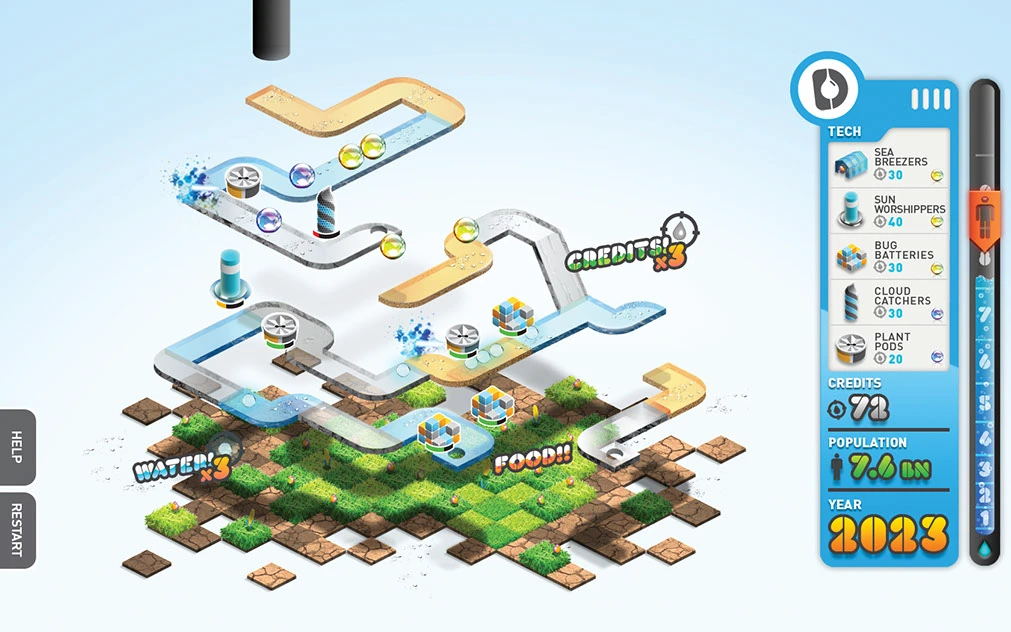
mus-2DRENCH KIOSK (SCIENCE MUSEUM LONDON)
The technical realities
Museum hardware takes a beating. Bright ambient light, thousands of hands, no one on-site to restart things when something goes wrong. Kiosks run all day, every day, and they need to just keep working. That means thinking carefully about what happens when a network drops, or a visitor does something unexpected, or the power flickers at the wrong moment.
Working across installations at the NHM and IWM gave me a good grounding in building things that recover gracefully. The tower defence game I built for the Science Museum — later adapted for release online — had to run reliably on a public touchscreen for months without any hand-holding.
Interactive label prototype
A Family in Wartime, IWM
Gallery kiosk install
Working with institutions
Museums have long procurement cycles, multiple layers of sign-off, and stakeholders with quite different ideas about what the finished thing should look like. It's just the nature of the sector, and once you understand that, it's easier to work with it rather than against it. Keeping people informed and involved along the way tends to make the final handover much smoother.
A good example is an interactive label I built for the Imperial War Museum — it let visitors leave comments directly on gallery objects, pulling in responses from the IWM website and Twitter alongside them. It started in A Family in Wartime and was rolled out across other exhibitions from there.